When Were New Hardiness Maps Released? Understanding the 2023 USDA Updates
Stay updated on the latest USDA hardiness zone map changes and how they affect your gardening decisions.
The release of new USDA Plant Hardiness Zone Maps is always an exciting event for gardeners, as these updates can significantly impact our planting decisions and garden planning. We've been following these developments closely, and the latest map release has brought some important changes that we believe every gardener should understand. These updates reflect our changing climate and provide more accurate guidance for successful plant selection.
Recommended Garden Provisions
Sponsored · Amazon Associate- № 01
 Complete garden tool set with heavy-duty stainless steel tools for all your gardening needs.Inspect on Amazon
 - № 02
 Decorative arbor trellis for climbing plants and garden entrance.Inspect on Amazon
 - № 03
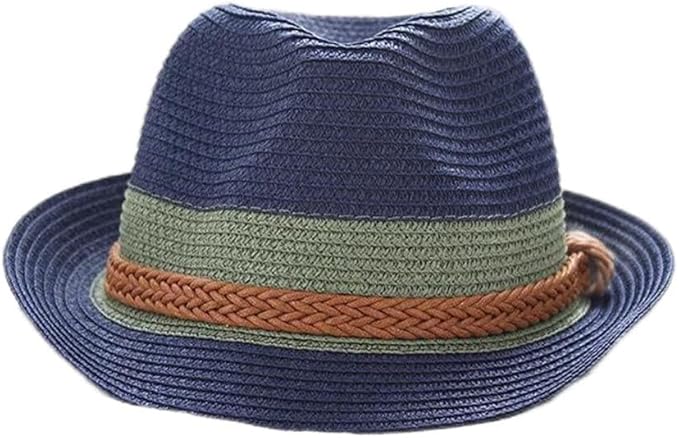 The wide brim on this premium unisex straw hat offers the best protection from the sun.Inspect on Amazon
The 2023 USDA Hardiness Zone Map Release
In November 2023, the USDA released its first updated Plant Hardiness Zone Map in over a decade. This new map represents the most accurate and detailed hardiness zone information ever produced, incorporating data from over 13,000 weather stations across the United States. We've found that this update provides gardeners with more precise zone boundaries and better reflects current climate conditions.
What Changed in the New Map?
The most significant change we've observed is that many areas have shifted to warmer zones, reflecting the gradual warming trends we've been experiencing. Approximately half of the country moved into a warmer half-zone, which means gardeners in these areas can now successfully grow plants that were previously considered too tender for their climate. We've also noticed that zone boundaries are now more precise, with better resolution for microclimates and local variations.
How the New Data Was Collected
The USDA used a much more comprehensive dataset for this update, including 30 years of weather data from 1991 to 2020. This longer timeframe provides a more stable and reliable baseline than the previous 15-year period. We've learned that the new map also incorporates more sophisticated modeling techniques, including elevation data and proximity to large bodies of water, which can significantly affect local climate conditions.
Recommended Garden Provisions
Sponsored · Amazon Associate- № 01
 Elegant brass watering can with classic design and durability.Inspect on Amazon
 - № 02
 This women's Panama hat was a hit at my family Christmas last year.Inspect on Amazon
 - № 03
 Compact greenhouse perfect for small spaces.Inspect on Amazon
What This Means for Gardeners
For many of us, the new map means we can now experiment with plants that were previously considered too tender for our zone. We've found that some gardeners are successfully growing plants rated one zone warmer than their previous designation. However, we also need to be cautious and remember that hardiness zones only indicate winter cold tolerance, not summer heat tolerance or other climate factors that affect plant success.
Regional Variations and Microclimates
We've discovered that the new map does a better job of identifying microclimates within larger zones. Urban areas, for example, often experience warmer temperatures than surrounding rural areas due to the heat island effect. The new map reflects these variations more accurately, helping city gardeners make better plant choices. We've also noticed that areas near large bodies of water or at different elevations now have more precise zone designations.
How to Use the New Map Effectively
To make the most of the updated hardiness zone information, we recommend checking your specific location on the new map rather than assuming your zone hasn't changed. We've found that even small shifts can open up new gardening possibilities. We also suggest using the new map in conjunction with other climate information, such as heat zone maps and precipitation data, to get a complete picture of your growing conditions.
Recommended Garden Provisions
Sponsored · Amazon Associate- № 01
 Versatile Japanese-style gardening knife for weeding and planting.Inspect on Amazon
 - № 02
 Sturdy basket for collecting and carrying your garden harvest.Inspect on Amazon
 - № 03
 Easy-to-assemble raised garden bed for better soil control and drainage.Inspect on Amazon
The 2023 USDA hardiness zone map update represents a significant improvement in our ability to make informed gardening decisions. By understanding these changes and how they affect our specific locations, we can better adapt our gardens to our changing climate and expand our planting possibilities.
Has your hardiness zone changed with the new map? We'd love to hear about how these updates are affecting your gardening plans and what new plants you're now able to grow!