Companion Planting: Pairing Plants for a Healthier, Happier Garden
The simple, time-tested strategy of growing certain plants side-by-side can cut back on pests, boost pollination, and make every square foot of your garden work harder.
If you have ever watched a marigold quietly guard a row of tomatoes, or noticed bees swarm a patch of borage next to your squash, you have already seen companion planting at work. It is one of the oldest tricks in the gardener's notebook, and one of the most satisfying. Instead of viewing your garden as a collection of isolated rows, companion planting invites you to see it as a tiny community where every plant has a job to do.
The idea goes back centuries. Indigenous farmers across the Americas grew corn, beans, and squash together in what is still called the Three Sisters: the corn gave the beans a trellis to climb, the beans fed nitrogen back to the soil, and the broad leaves of the squash shaded the ground and held in moisture. Three plants, one plot, and a harvest that was greater than the sum of its parts. That same principle drives most modern companion planting: pair species whose strengths cover each other's weaknesses.
Why Companion Planting Works
Companion planting does not depend on magic, and it is not just folk wisdom. Researchers have documented several clear mechanisms. Strongly scented herbs can mask the odors pests use to find their favorite food plants. Flowers with shallow, accessible nectar pull in pollinators and predatory insects that keep aphids and caterpillars in check. Deep-rooted plants draw nutrients up from below where shallow-rooted neighbors can reach them. And ground-hugging plants act as living mulch, reducing evaporation and suppressing weeds.
Put all of those effects together in a single bed and you have something closer to a small ecosystem than a plot of isolated vegetables. The practical result is that you tend to spray less, water a little less often, and lose fewer plants to pests.
Five Classic Pairings to Try This Season
If you want to experiment, here are five pairings that have stood the test of time. None of them are complicated, and all of them are worth the few extra minutes of planning at planting time.
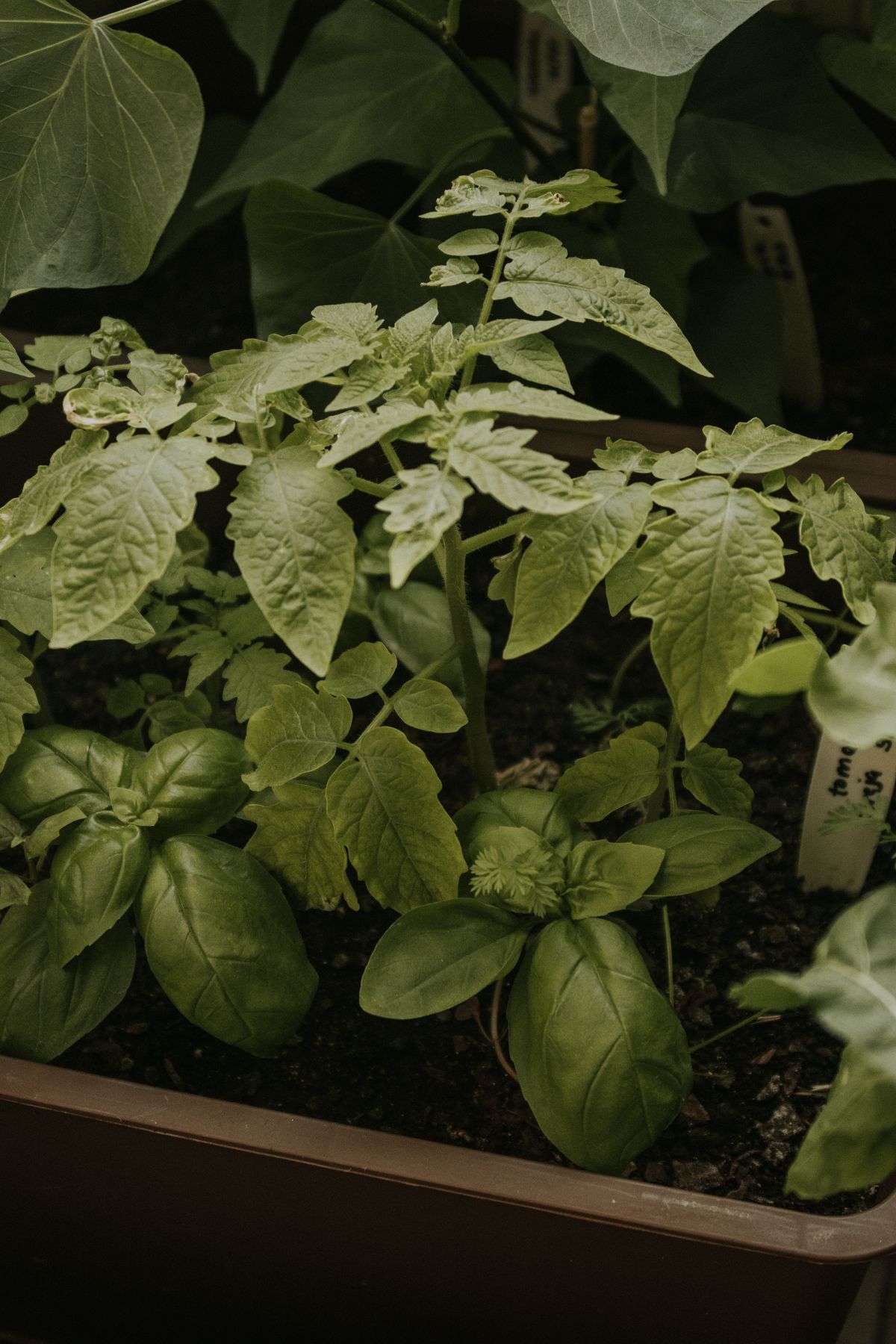
Tomatoes and basil. Basil is thought to repel thrips and tomato hornworms and may even improve the flavor of nearby tomatoes. Plant basil one foot away from each tomato stem and pinch its tops often to keep it bushy.
Carrots and onions. Carrot flies hunt by smell, and onions mask the scent of carrot foliage beautifully. Interplant a row of green onions between rows of carrots and you will notice far fewer tunnels in your harvest.
Cucumbers and nasturtiums. Nasturtiums act as a trap crop for aphids and cucumber beetles. The pests flock to the nasturtiums, leaving your cucumbers relatively untouched, and as a bonus the flowers are edible and peppery.
Corn, beans, and squash. The Three Sisters still works in a modern backyard garden. Plant the corn first, let it get about six inches tall, then add bean seeds around each stalk and squash seeds between the hills.
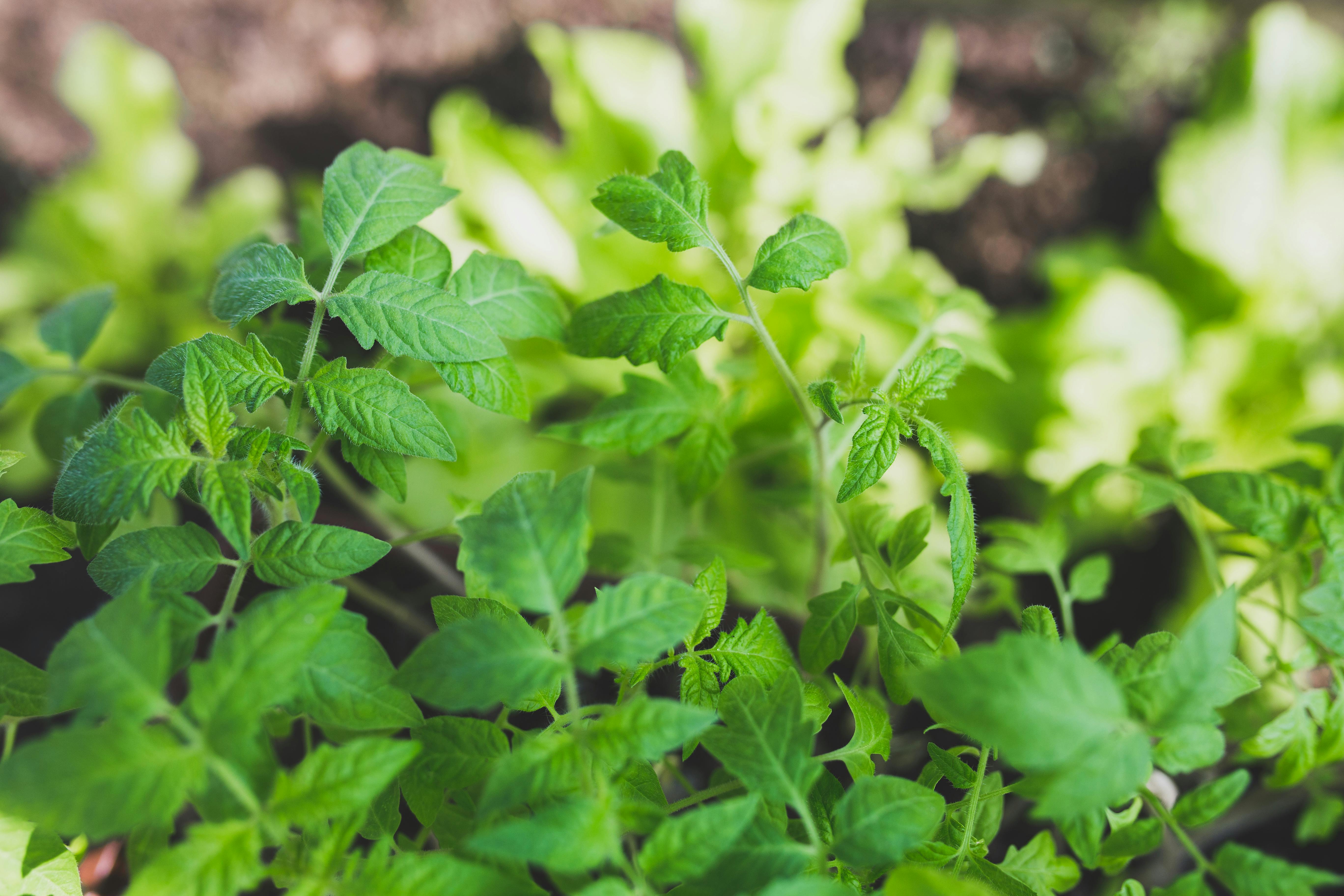
Lettuce and radishes. Radishes mature in about a month, loosening soil and breaking up any crust before slower-growing lettuces need the space. You harvest the radishes just as the lettuces begin to fill in.
Don't Forget the Flowers
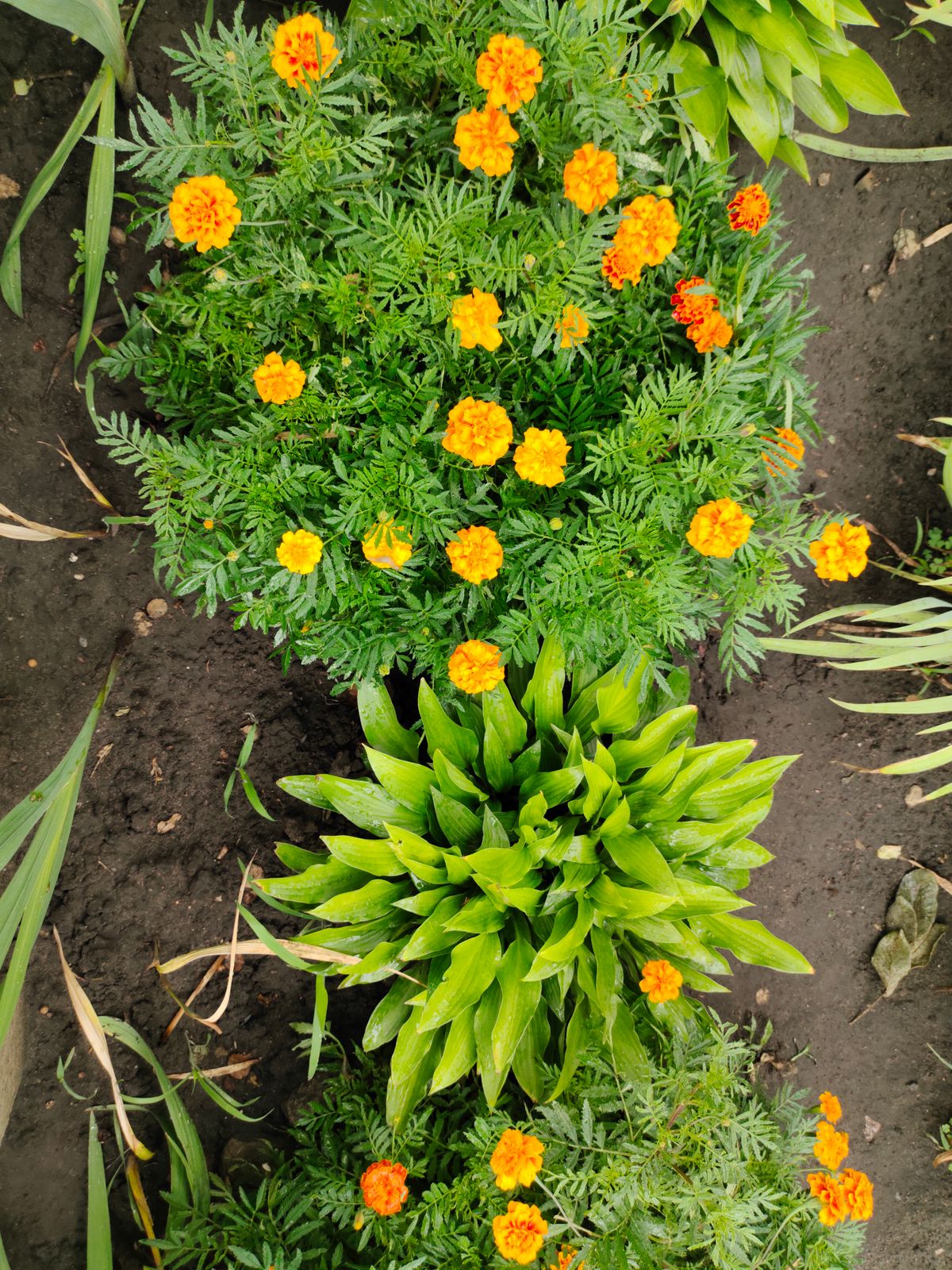
It is easy to think of a vegetable garden as strictly utilitarian, but flowers earn their keep many times over. Marigolds, calendula, borage, nasturtiums, and zinnias all pull in pollinators and beneficial insects, and most of them will reseed themselves if you let a few flowers go to seed at the end of the season. A ten-foot row of vegetables with a marigold every three feet will almost always outproduce the same row without them, simply because more bees show up.
Borage is particularly worth a mention. It is the single best plant I know for luring bees into a strawberry patch, and it is supposed to improve the flavor of the berries too. It also makes a wonderful blue garnish for summer drinks, which is a nice bonus.
Pairings to Avoid
Not every plant plays well with others. Beans and members of the onion family tend to stunt each other, so keep your garlic, onions, leeks, and shallots on the opposite end of the bed from bush and pole beans. Fennel is famously standoffish and inhibits the growth of most of its neighbors — give it its own corner. And while potatoes and tomatoes are close cousins, planting them next to each other is a recipe for sharing blight quickly. Rotate them to opposite ends of the garden instead.
Getting Started
The easiest way to get started with companion planting is to not overthink it. Pick one or two pairings from the list above, tuck them into your existing garden plan, and take notes over the season on what worked. Did the carrots stay cleaner? Did the tomato leaves look healthier? Did the bees show up in greater numbers? Over two or three seasons you will build up your own personal reference of what works in your climate, in your soil, with your specific pests, and that is ultimately more valuable than any chart you can download.
Companion planting rewards patience and observation more than anything else. The garden will teach you, if you let it. And after a season or two, you will find yourself planting with instincts that start to feel almost like a conversation — a marigold here, a row of onions there, and a quiet confidence that your plants are looking out for each other.
Frequently Asked Questions
№ 01What is companion planting?+
Companion planting is the practice of growing different plants near one another so that each benefits from the presence of the other. Benefits can include pest deterrence, improved pollination, better use of space, and richer soil.
№ 02Do marigolds really repel pests?+
Marigolds release compounds from their roots that discourage certain soil nematodes, and their strong scent can confuse pests like whiteflies and aphids. They are not a silver bullet, but they are one of the most reliable companions in a vegetable garden.
№ 03Are there plants I should keep apart?+
Yes. Some plants compete for the same nutrients or release chemicals that slow neighbors' growth. Classic examples include keeping beans away from onions and garlic, and keeping fennel in its own corner of the garden since it inhibits many other species.
№ 04How close should companion plants be?+
Close enough to share space and microclimate, but far enough that each plant's mature footprint does not crowd the other. For most pairings, one to two feet apart works well, but always check the spacing guidance on your seed packets.
№ 05Does companion planting work in containers?+
Absolutely. A single large pot can host a tomato with basil tucked around the base, or a pepper with a few nasturtiums trailing over the edge. Just make sure the container is big enough to support both root systems.