What Does Your Hardiness Zone Mean? Understanding USDA Plant Hardiness Zones
Learn how to use your hardiness zone to choose the right plants and maximize your gardening success.
When we first started gardening, we were overwhelmed by all the technical terms and classifications that seemed designed to confuse rather than help us. But understanding your hardiness zone is actually one of the most straightforward and useful concepts in gardening. It's like having a roadmap that tells you exactly which plants will thrive in your specific climate, and we've learned that this knowledge can make the difference between gardening success and disappointment.
Recommended Garden Provisions
Sponsored · Amazon Associate- № 01
 Elevated planter for easy access and better drainage.Inspect on Amazon
 - № 02
 Perfect for starting seeds indoors before transplanting to your garden.Inspect on Amazon
 - № 03
 Complete garden tool set with heavy-duty stainless steel tools for all your gardening needs.Inspect on Amazon
What Is a Hardiness Zone?
A hardiness zone is a geographic area defined by the average annual minimum winter temperature. The USDA Plant Hardiness Zone Map divides North America into 13 zones, each representing a 10-degree Fahrenheit range. Zone 1 is the coldest (below -50°F), while Zone 13 is the warmest (above 60°F). We've found that knowing your zone helps you choose plants that can survive your winter temperatures and thrive in your growing conditions.
How the Zone System Works
The zone system is based on the coldest temperature your area typically experiences each winter. For example, if you live in Zone 6, your area experiences minimum temperatures between -10°F and 0°F. We've learned that plants rated for Zone 6 or lower will generally survive your winters, while plants rated for higher zones may not make it through the cold season. This simple rule has saved us from many disappointing plant losses.
Why Hardiness Zones Matter for Gardeners
Understanding your hardiness zone is crucial because it directly affects which plants you can grow successfully. We've made the mistake of falling in love with plants that weren't suitable for our zone, only to watch them struggle or die during our first cold snap. Your zone determines not just winter survival, but also growing season length, planting times, and which plants will thrive in your specific climate conditions.
Recommended Garden Provisions
Sponsored · Amazon Associate- № 01
 Innovative pots that maintain optimal moisture levels.Inspect on Amazon
 - № 02
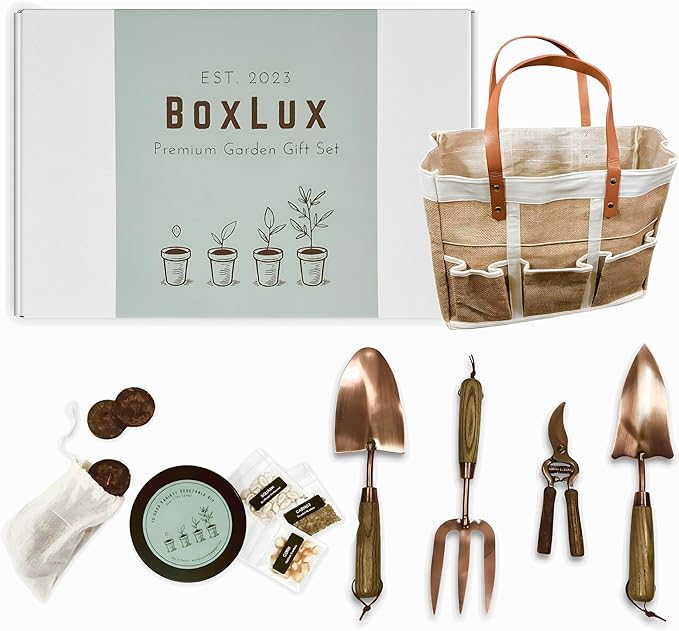 Deluxe tools for the gardener in your life to work the earth.Inspect on Amazon
 - № 03Complete garden tool set with heavy-duty stainless steel tools for all your gardening needs.Inspect on Amazon
Finding Your Hardiness Zone
Discovering your hardiness zone is easier than ever thanks to the USDA's interactive online map. We simply enter our zip code or city name, and the map shows us our exact zone. We've found that some areas can have microclimates that differ from the general zone, so we also pay attention to local conditions and talk to experienced gardeners in our area. Your local garden center or cooperative extension office can also provide zone-specific advice.
Using Zone Information for Plant Selection
Once we know our zone, we use it as our first filter when selecting plants. We look for plants rated for our zone or lower, as these are most likely to survive our winters. We've learned that plants rated one zone higher than ours can sometimes work if we provide winter protection, but we're careful not to push our luck too far. We also consider that some plants may be rated for our zone but struggle with other aspects of our climate, like humidity or summer heat.
Recommended Garden Provisions
Sponsored · Amazon Associate- № 01
 A graceful bronze art piece that brings a regal presence to your garden.Inspect on Amazon
 - № 02
 Let gardeners haul it all with this rugged utility wagon from Gorilla Carts.Inspect on Amazon
 - № 03
 Versatile Japanese-style gardening knife for weeding and planting.Inspect on Amazon
Understanding your hardiness zone is one of the most valuable tools in your gardening toolkit. It takes the guesswork out of plant selection and helps you build a garden that's not only beautiful but also sustainable and successful year after year.
What's your hardiness zone, and how has it helped you in your garden? We'd love to hear about your experiences and any zone-specific gardening tips you've discovered!