How to Water Your Garden the Right Way in Summer
When the heat sets in, watering becomes the single most important thing you do in the garden. Do it well and your plants sail through July. Do it carelessly and you can drown them, scorch them, or waste a small fortune at the tap.
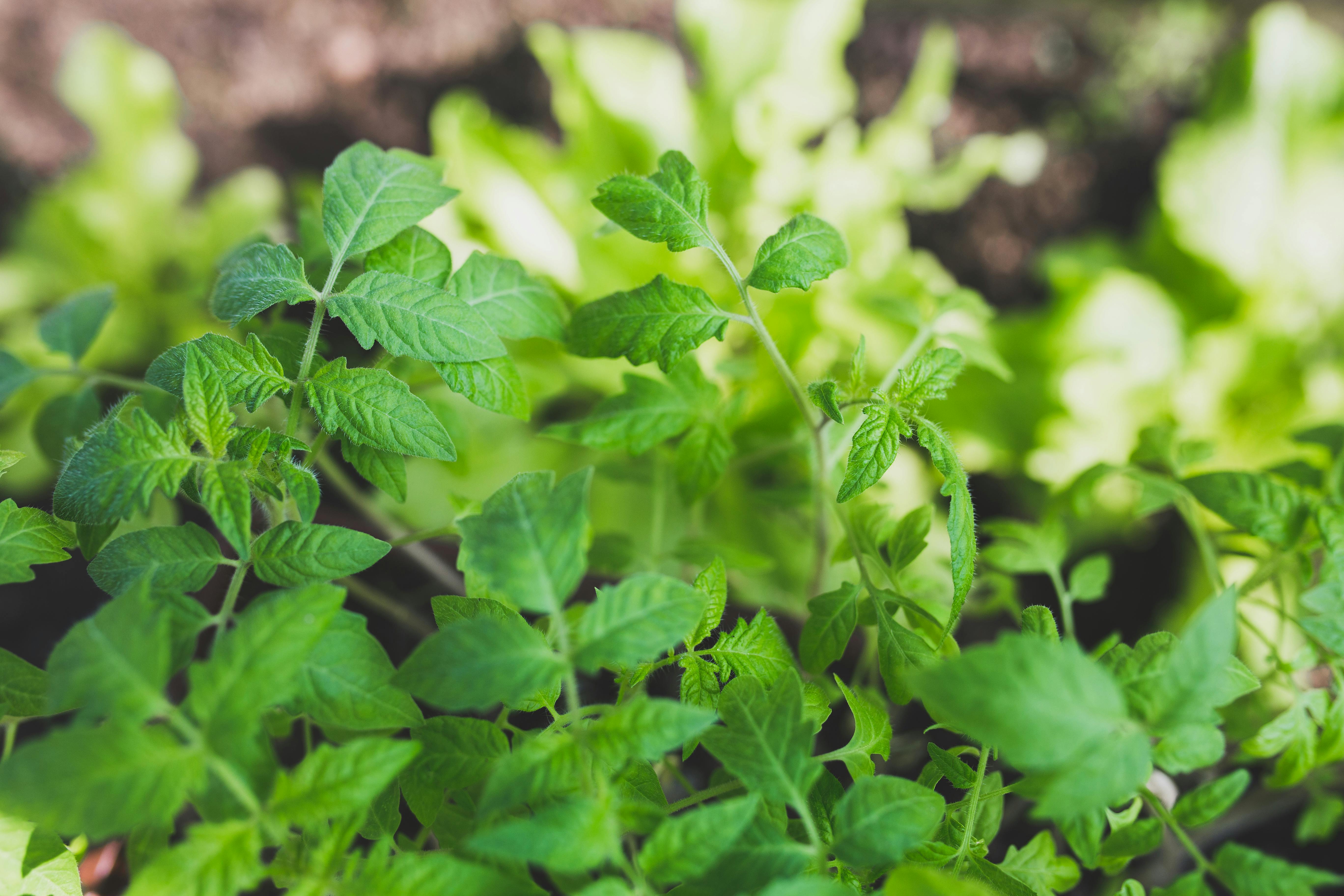
Watering looks like the simplest job in the garden, which is exactly why so many plants suffer in the heat. We tend to grab the hose when we think of it, splash the leaves for a minute, and move on. Plants, unfortunately, do not work on our schedule. In the middle of summer the difference between a thriving bed and a struggling one usually comes down to how, not how much, you water. The good news is that a few simple habits will carry your garden through the hottest stretch of the year.
Water Deep, Not Often
The most common summer watering mistake is a daily light sprinkle. It feels responsible, but it trains plants to grow shallow roots that sit near the surface where the soil dries out fastest. Those shallow roots then need even more frequent watering, and the cycle gets worse as the season heats up.
Instead, water deeply two or three times a week. A long, slow soak pushes moisture down six inches or more, encouraging roots to follow it. Plants with deep roots are far more resilient. They can go longer between waterings, they handle a missed day better, and they hold up when a heat wave rolls in. As a rough guide, most vegetable gardens want about an inch to an inch and a half of water per week, including rain.
Timing Is Everything
Water in the early morning whenever you can, ideally before nine. The soil is cool, the wind is usually calm, and very little is lost to evaporation, so almost all of the water reaches the roots. Just as important, the foliage has the whole day to dry off. Leaves that stay wet overnight are an open invitation to mildew, blight, and other fungal problems that spread fast in warm weather.
If mornings are impossible, water in the early evening, but aim the water at the base of the plant and keep the leaves as dry as you can. Midday watering is the least efficient choice, since a good share of what you put down evaporates before it ever soaks in.
Mulch Is Your Best Friend
If you do only one thing to make summer watering easier, lay down mulch. A two to three inch layer of straw, shredded leaves, bark, or grass clippings shades the soil, keeps roots cooler, and dramatically slows evaporation. Mulched beds can stay moist two or three times longer than bare soil, which means less watering, lower water bills, and far less stress on your plants when the temperature spikes. Mulch also smothers weeds, so the water you do apply goes to the plants you actually want.
Read the Plant, Not the Calendar
A fixed watering schedule is a decent starting point, but plants do not read calendars. A cool, cloudy week needs far less water than a blazing dry one, and a clay bed holds moisture much longer than sandy soil. The most reliable test is also the simplest. Push a finger two inches into the soil near the roots. If it comes out dry, it is time to water. If it is still damp, wait a day and check again.
This finger test also saves you from the classic summer trap of overwatering. Wilting in the afternoon heat does not always mean a plant is thirsty. Many plants droop in the strongest sun to protect themselves and perk right back up by evening. If the soil is moist and the plant is wilting, hold off rather than reaching for the hose.
Give Containers Extra Attention
Pots and hanging baskets are a special case. They have a small volume of soil, they are exposed to heat on all sides, and they dry out far faster than the ground. In peak summer, many containers need watering once a day, and some thirsty plants in small pots may need it twice. Water until you see it run out of the drainage holes, which tells you the whole root ball has been reached, and consider grouping pots together to create a more humid little microclimate.
A Few Habits That Make It Easy
Summer watering does not have to be a chore. Set a soaker hose or drip line on a timer and let it deliver a slow morning soak while you sleep. Keep a rain gauge or even an empty tuna can in the garden to see how much water you are actually applying. And take a slow walk through the beds every few days, finger in the soil, just to check in. Plants reward attention, and after a season or two you will water almost by instinct, knowing which corner of the garden dries out first and which thirsty plant always needs a little extra.
Frequently Asked Questions
№ 01What time of day should I water my garden in summer?+
Early morning, before about 9 a.m., is best. The soil is cool, less water is lost to evaporation, and the foliage has all day to dry, which lowers the risk of fungal disease. Evening is a fine second choice, but try to water the soil rather than the leaves so plants do not stay wet overnight.
№ 02How often should I water in hot weather?+
Most established garden beds do better with a deep soak two or three times a week than with a light sprinkle every day. Deep, less frequent watering trains roots to grow down toward moisture. Containers are the exception and may need water once or even twice a day in a heat wave.
№ 03How do I know if I am overwatering or underwatering?+
Both can cause wilting and yellow leaves, which is confusing. The trick is to check the soil. Push a finger two inches down. If it is wet and the plant is wilting, you are likely overwatering. If it is dry and crumbly, the plant needs a drink.
№ 04Does mulch really help with watering?+
Yes, more than almost anything else. A two to three inch layer of mulch shades the soil, slows evaporation, and keeps roots cooler. Mulched beds can hold moisture far longer than bare soil, which means less watering and less stress on your plants during a heat wave.
№ 05Should I water my lawn and garden the same way?+
No. Lawns are shallow-rooted and usually need lighter, more frequent watering, while vegetable beds and shrubs prefer deep, occasional soaks. Watering them on the same schedule almost always leaves one of them unhappy, so treat them as separate zones.