Starting a Fall Vegetable Garden: What to Plant in Late Summer
The middle of summer feels like the wrong time to plant, but this is exactly when a great fall vegetable garden begins. Get seeds in now and you can be picking crisp lettuce, sweet carrots, and tender kale long after the summer crops have called it quits.
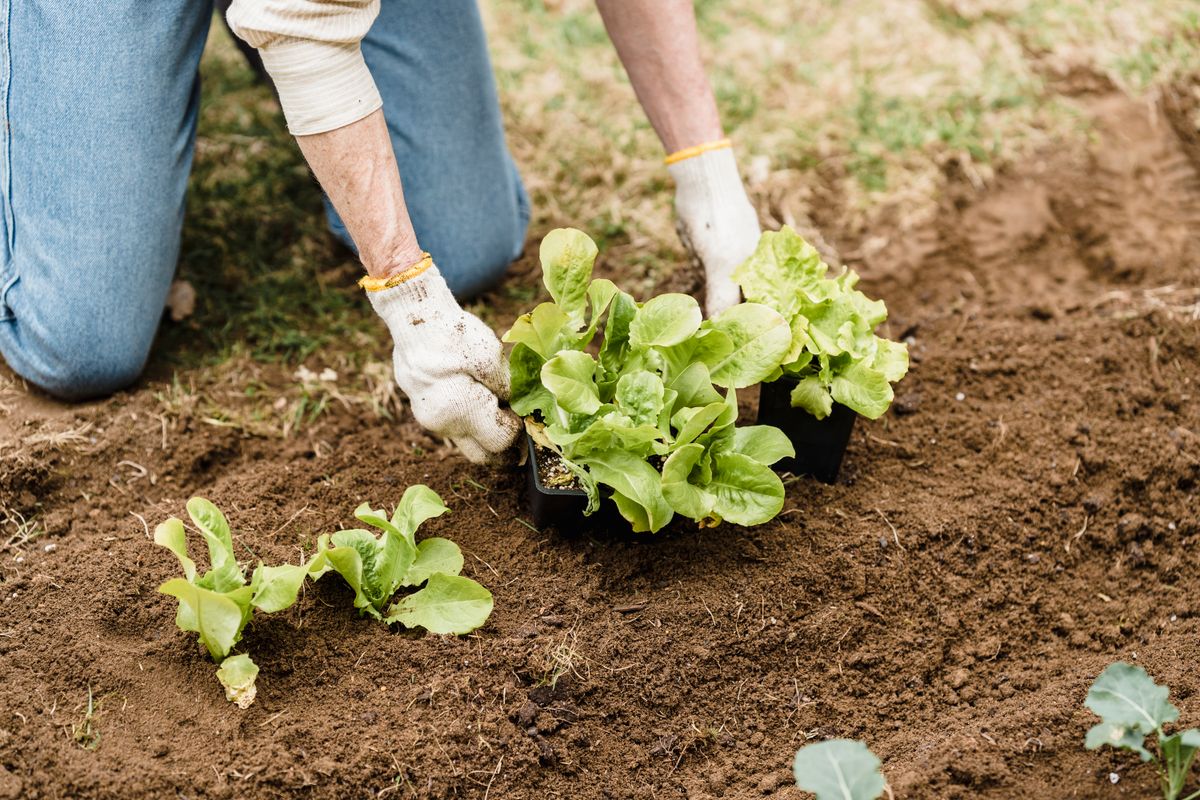
A fall garden is one of the easiest wins for a home gardener. Cool-season vegetables shrug off light frost, pests start to fade, and you spend a lot less time hauling water around. Here is how to get yours going.
Why Fall Might Be the Best Season to Grow
Spring gets all the attention, but fall has a lot going for it. The soil is still warm from summer, which helps seeds sprout fast, while the air cools into the range that leafy greens and root crops love. Many of these vegetables actually taste better after a light frost, because the plants convert starches into sugars to protect themselves. That is why fall carrots and kale come out sweeter than anything you grow in June.
You also get a break from the worst of the bugs. Squash vine borers, hornworms, and a lot of other summer pests are winding down by the time your fall crops are getting established. Less spraying, less fussing, more harvest.
Know Your First Frost Date Before You Plant
The single most important number for fall planting is your average first frost date. That date tells you how many growing days you have left, so you can pick crops that will actually finish in time.
You can find your first frost date and your USDA hardiness zone by entering your zip code or town into the plant finder at Plant Guide Online. Your zone tells you which plants thrive where you live, and the frost date tells you when to get them in the ground. Pair the two and you stop guessing. For a deeper look at how frost dates are calculated, the USDA Plant Hardiness Zone Map is a good place to start.
Once you have that date, count backwards. If a vegetable needs 60 days to mature and your first frost is in late October, you want it in the ground by late August at the latest. Add a couple of weeks of cushion, since plants grow more slowly as the days get shorter.
What to Plant in Late Summer
Stick with cool-season crops. They handle chilly nights and short days far better than anything you would grow in the heat of summer. Here are the reliable performers, grouped by how you grow them.
Leafy greens (fast and forgiving)
- Lettuce, both leaf and romaine types
- Spinach
- Swiss chard
- Arugula and other quick salad greens
Root crops (sow seeds directly)
- Carrots
- Beets
- Radishes, which can be ready in as little as 30 days
- Turnips
Cole crops (start from transplants for the best odds)
- Broccoli
- Kale
- Collards
- Cabbage
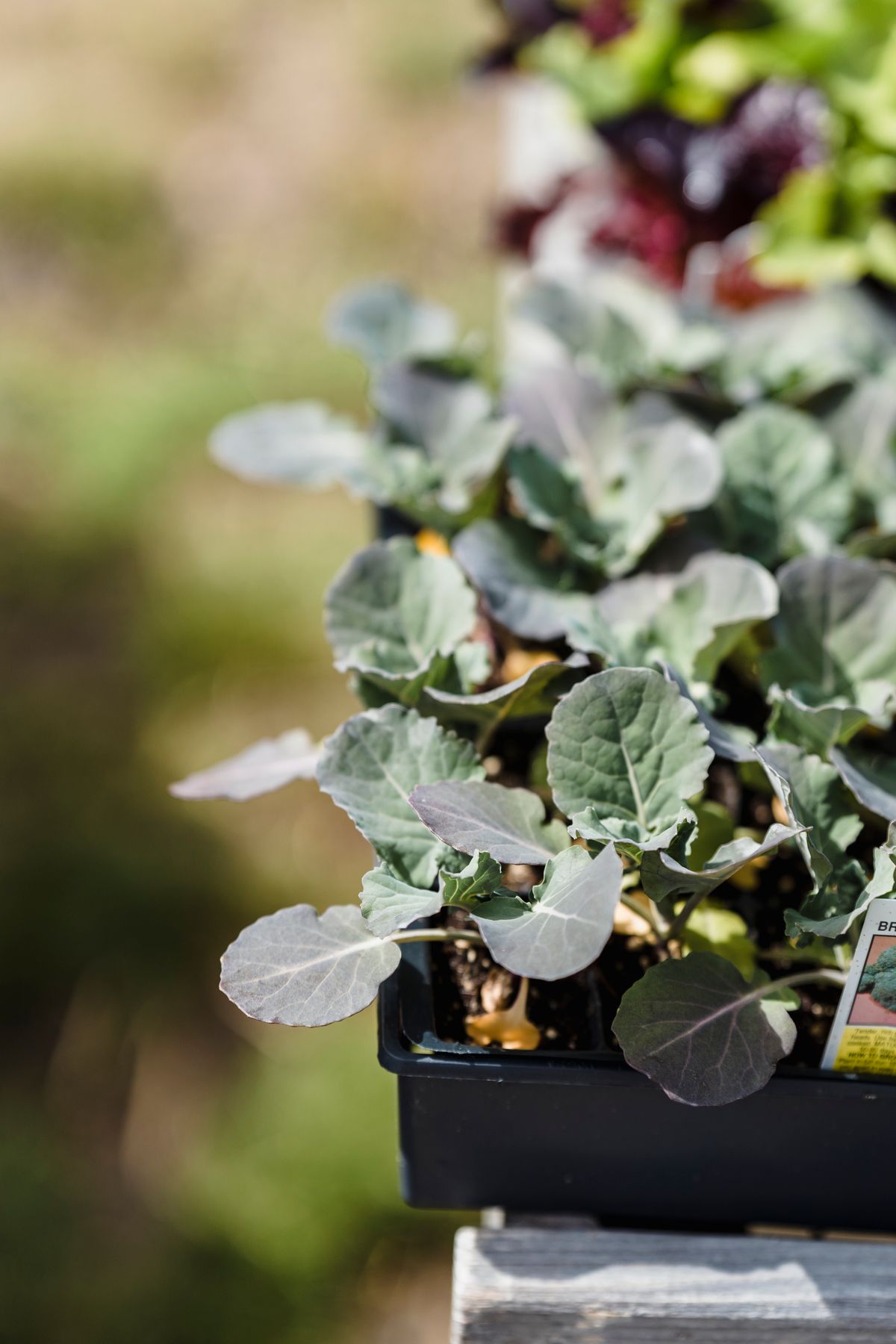
Radishes and leafy greens grow quickly enough to sow straight into the bed. Broccoli, cabbage, and other cole crops take longer, so buying young plants or starting seeds indoors a few weeks ahead gives them a head start before the cold arrives.
Give Your Seedlings a Smooth Start
Late summer soil can be hot and dry, which is rough on tender young plants. A few small habits make all the difference. Water more than you think, since newly sown seeds and transplants need consistently moist soil and may want a drink once or twice a day in the heat. Add a little shade with shade cloth or even an old bedsheet for the first few days after transplanting. Harden off indoor-grown plants by moving them outside gradually over about a week. And mulch the bed with straw or shredded leaves to keep the soil cooler and hold moisture.
Keep the Harvest Coming
You do not have to plant everything at once. Sow a short row of lettuce or radishes every two weeks and you will have a steady supply instead of one big flush all at the same time. Gardeners call this succession planting, and it is the secret to fresh salads for months.
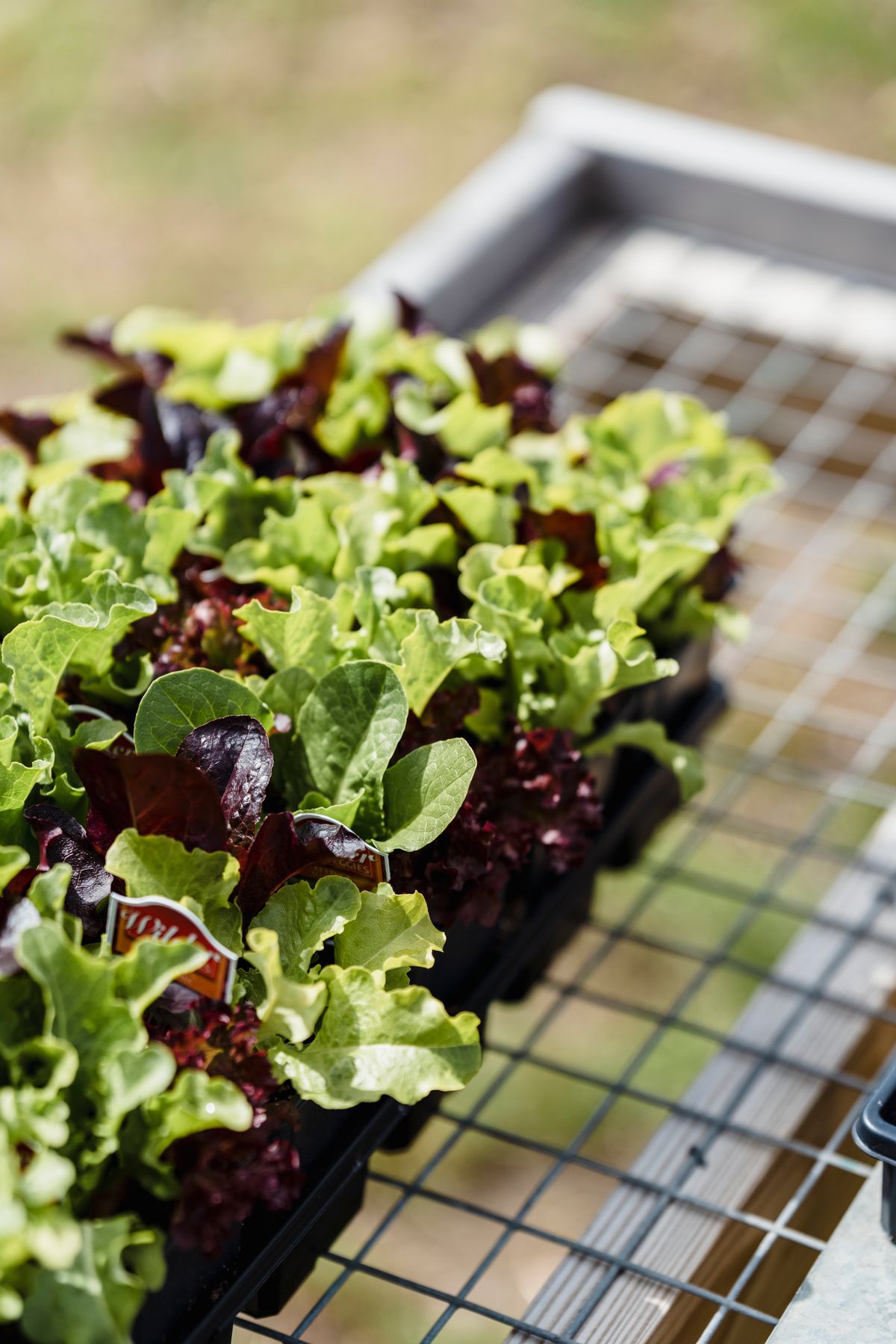
As the first frosts approach, you can stretch the season even further. A simple row cover or a cold frame traps enough warmth to protect greens and root crops through several light freezes. Many of these plants will sit happily in the garden and keep their quality for weeks once the weather turns cold, almost like a living refrigerator.
Ready to Start Your Fall Vegetable Garden?
A fall vegetable garden gives you a second harvest from the same beds you have been tending all summer, and it asks for less work to do it. Start by checking your frost date and zone, pick a handful of cool-season crops that will finish in time, and get them in the ground while the soil is still warm. Not sure what grows best where you live? Pop your zip code into the Plant Guide Online plant finder and let your zone point you to the vegetables that will thrive in your fall garden.
Frequently Asked Questions
№ 01When should I start a fall vegetable garden?+
Most fall gardens begin in mid to late summer, often July and August, while the soil is still warm. The exact timing depends on your first frost date. Count back from that date by the number of days each crop needs to mature, add a couple of weeks of cushion since plants grow slower as days shorten, and that tells you when to plant.
№ 02What vegetables grow best in a fall garden?+
Cool-season crops are the stars. Leafy greens like lettuce, spinach, and chard, root crops like carrots, beets, radishes, and turnips, and cole crops like broccoli, kale, collards, and cabbage all thrive as the weather cools. Many of them actually taste sweeter after a light frost.
№ 03How do I find my first frost date?+
Enter your zip code or town into the plant finder at Plant Guide Online to see your USDA hardiness zone, then check a frost-date resource like the USDA Plant Hardiness Zone Map for the average first frost in your area. Pair the two and you can plan exactly when to plant.
№ 04Can I grow a fall garden in a raised bed or container?+
Absolutely. Raised beds tend to stay a little warmer than the ground, which helps extend the season. Containers work well for greens and quick crops too, though they dry out faster, so keep an eye on watering while the weather is still warm.
№ 05How do I protect fall crops from frost?+
A simple row cover or cold frame traps enough warmth to carry greens and root crops through several light freezes. Many cool-season vegetables will sit happily in the garden and hold their quality for weeks once it turns cold, almost like a living refrigerator.